Is Your Video Worth More Than A Thousand Words?

Everyone is familiar with the old saying “A picture is worth 1000 words.” While that is obvious, it raises the question how many words is a video worth then? A video can accomplish many things that a picture cannot on social media, especially with marketing. A video can provide more information as well as portray a message much more effectively than a picture can. Videos also get more than double the reach and views and tend to be remembered much easier than a picture would. According to Wyzowl.com around 100 million hours of video are watched each day on Facebook. With that being said, In 2020 it is crucial to use videos with your social media platforms. How are videos being implemented across social media? Let’s take a look at five major social platforms where video content is making a splash.

On Facebook

Of the 84 percent of marketers who have published video content on Facebook, 85 percent found it to be an effective strategy. The reason is that videos are engaging and are extremely easy to access on this platform. On Facebook, videos that are posted on your newsfeed automatically play as you scroll through your feed which is very convenient for users. The ability to share videos with just one click has made many videos go viral and be seen by many users very quickly. Facebook also has utilized the Facebook live option for videos that are happening in the moment allowing users to engage with the video creator as they are filming the video and streaming onto Facebook. For videos under 10 seconds, the Facebook stories option has been very successful for getting views as well as an additional way to post videos. Videos over 10 seconds tend to get the most engagement and views when viewed as a post. Another important thing to take into consideration when posting a video on Facebook is that 85% of users watch videos with the volume off. When people view videos their main focus is the imagery, not the sound. Going forward when creating videos use powerful visuals or footage that doesn’t rely upon sound to get the message across. Facebook ads containing videos also have revolutionized advertising on Facebook allowing marketers to see specific video analytics such as viewer demographics, views, and reach that cannot be obtained from an advertisement using a picture.

On Instagram

Over the past few years, Instagram has become much more video-friendly. According to wyzowl.com “Of the 51 percent of marketers who have used Instagram video, 88 percent found it to be an effective strategy.” This is even higher than Facebook which is the leading social media platform. This because while Facebook’s core focus is a combination of captions, pictures, and videos, Instagram places most of the emphasis on pictures and video. Videos under 60 seconds are the best with this platform. Short videos under 10 seconds can be featured on Instagram stories while videos under 60 seconds can be seen in your news feed. For videos longer than one minute, Instagram TV is the best method of posting and allows users to see a preview of the video as well as the whole video. Instagram TV also allows the content creator to see specific insights into video analytics such as views, and dropoff rates throughout the video. Similar to Facebook, Instagram live videos have gained popularity allowing users to watch and engage with the video as it is streaming live.

On Twitter

While Twitter is mainly used for quick tweets and messages, videos also have a strong presence on the platform. On Twitter, a video Tweet is six times more likely to be retweeted than a photo Tweet. Videos that get the most engagement and views on Twitter are ones that are brief but give a small explanation of the video or a preview into what the video is about in the caption. According to Nielsen, “Twitter video is two times more memorable than other premium platforms.” This can be attributed to the fact that Twitter doesn’t allow videos longer than 140 seconds to be posted. Of the 45 percent of marketers surveyed who have published video content on Twitter, 71 percent have found it to be an effective strategy. While this number isn’t as high as Facebook and Instagram, videos are still the best way to market on Twitter. 

On LinkedIn

LinkedIn is one of the quickest growing social media platforms but it is usually not associated with pictures or videos like other social media platforms. However, video popularity is on the rise for this platform with videos being an effective way to promote businesses as well as business professionals. Videos on LinkedIn are commonly used to highlight business successes, events or promote new technology, products, etc. Time limits are much less specific on LinkedIn with a 10-minute video limit. 57% of LinkedIn engagement is via the mobile app which means attention spans will be much less than being viewed on a desktop. Shorter videos with subtitles tend to do best on this platform as they are most likely viewed with the sound off. When posting videos on LinkedIn always make sure that the video is professional and relevant. Uninformative or off-topic videos are not seen as business-relevant which will lead to fewer views and engagement. 

On Pinterest

While videos aren’t as common on Pinterest compared to other social media platforms, they are very useful in driving users to your website. In order to post videos on Pinterest you will need a Pinterest business account instead of a personal account. When video pins are posted they don’t automatically play, however, when they are clicked on the video plays. One thing that Pinterest does that other social media platforms haven’t been able to achieve as well is driving traffic from videos directly to the website. This is an effective marketing tool that is especially useful for users looking to sell products or services that can be ordered online. Another advantage that users have with video pins is the thumbnail option which allows users to see the image that shows on the pin before it is watched. Pinterest video pins must be 4 – 30 seconds in length with a recommended time of 6 – 20 seconds to get the most views and engagements. Keywords have also allowed videos to be targeted to specific audience demographics and interests allowing for more relevant and targeted views on video pins.

While a picture is worth 1000 words, a video is worth much more in the world of social media. We know the best practices and rules for crafting the perfect videos for social media to boost your business. Give us a call to get started! (321)-255-0900.

Facebook Ads: 4 Best Practices


Working in social media marketing, there are so many constantly changing variables to keep track of. For some, this is why they love marketing. For others, this is a point of frustration. Personally, I love the ever-changing landscape that is social media marketing. Daily it feels like there is something new to discover and (inevitably) some new challenge to conquer.

A brand standard is non-negotiable. This is a concrete value or practice within your brand or agency. For example: Daily we show up here at The AD Leaf at 8:00 am. This is a company-wide standard. 

A best practice could be the different routes we all take to get here at that set time. One day it may be that I take US 1. A colleague of mine may take a different road depending on traffic. The start of the workday is set. But the way to get to work may change depending on a plethora of variables. This is what the best practice is like.

This changing landscape is something to keep up with as we mentioned above. How do best practices fit within creating Facebook ads? Below are 4 best practices that we perform (at least for now) when creating Facebook ads. Contemplate these for taking your ad strategy to the next level.

#1 Your Facebook ad must be visual.

2020 marketing predictions show that social media is only going to become more…well, social. This means that there are going to be more image-based interactions, especially within branding and product search with areas such as eCommerce. In order for you to keep up with the times, your Facebook ad must be visually compelling. Having a visually engaging Facebook will cause the Facebook algorithm to treat your ad more favorably. Have you heard of the old saying, “Don’t judge a book by its cover”? Unfortunately, the Facebook algorithm (and honestly, the majority of the social media niche) didn’t get this memo. To stand out and be memorable, you have to have a visually compelling image. This will cause Facebook to not only treat your ad more favorably, but your ad will also be more likely remembered and shared across platforms. 

#2 Your Facebook ad must be relevant.

The success of your Facebook ad strategy hinges greatly on not only the visual potency of the ad but also the relevance of the ad. How relevant is the ad with your target audience? This is huge. You wouldn’t want to create an ad for artic snow parkas and marketing it all the way down south in Palm Bay, Florida! Not only that, but you want to place the ad before not only the right audience but the right intentions of your audience. This is critical, as you are spending time and money and need to ensure the ad you are running gets in front of the right people with the right intentions. 

#3 Your Facebook ad must be enticing

What makes your ad different than any other? Why should your viewer click on your ad to view more? Why should they visit your website? These are great questions to create a great, enticing ad. You should compose it in a way that is believable. For example, saying something like “Get a free roof today!” isn’t believable to me. I would read that and think it was a scam. But if a company was upfront with me I would trust them more and be more willing to click on their ad. If it read something like this I would definitely stop to find out more: “Did you know that going solar can get you a new roof in the process? Contact us today to learn how this happens at no cost to you!” When I read that, I see how this could be possible, and I don’t feel trapped by the transparency of the ad. 

#4 Your Facebook ad must have a clear call-to-action.

As stated above with the second free roof example, I ended it with “contact us today to learn how!” Your ad needs to cause your viewer to finally do something with your ad. Imagine this process as a link in a chain: each one builds upon one another for a specific and intended outcome. I saw a huge increase in getting leads when I pushed past my personal apprehension to asking the viewer to do something with the ad. When I began saying things like “Go here to get 20% off” or “Click the link below to get a FREE quote” I started seeing great conversion rates. It’s always helpful to create a sense of urgency with your call-to-action. What problem are you solving for the audience? In our scenario, we are providing a service by making it known to new homeowners that they have a way to get a free roof when getting solar panels installed. So what problem are you solving with your clients? Let that be the motivator for creating a great call-to-action.

Great! We hope that these Facebook best practices will help create the links in the chain creating greater conversion rates for your Facebook ads! These are great best practices to help take your Facebook ad strategy to the next level. Looking to take your brand to the next level? We at The AD Leaf would love to work with you by creating cutting edge, smart marketing campaigns to help you and your business prosper. Call us today to begin.

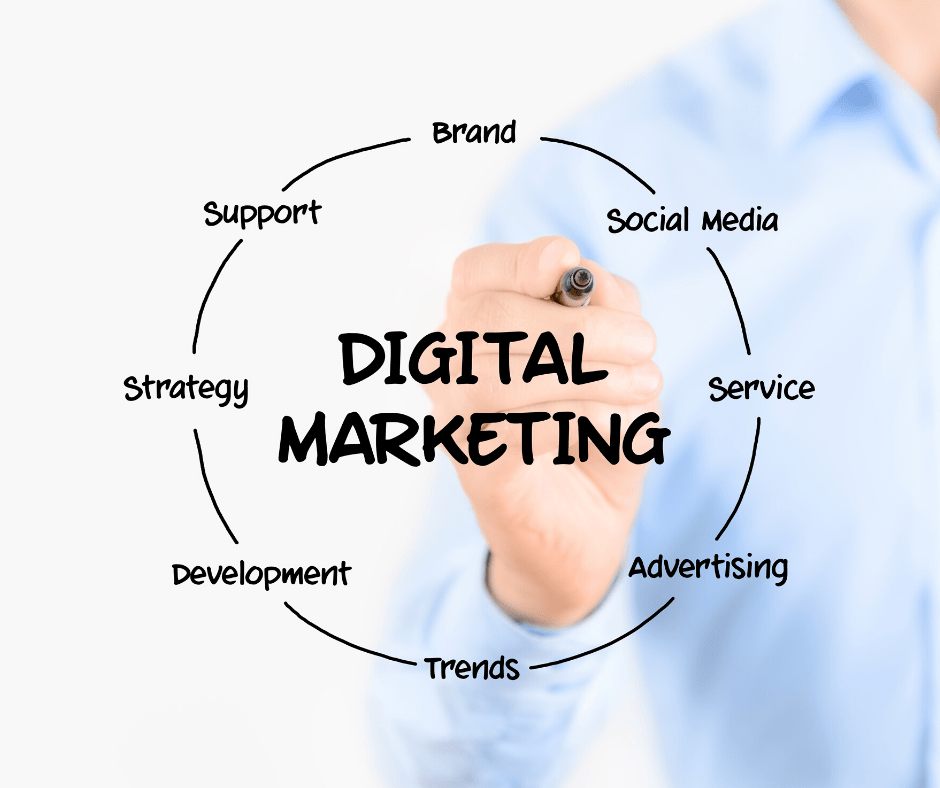
Digital Marketing in Melbourne FL

Digital Marketing Trends To Look For In 2020

Digital Marketing in Melbourne FL Trends For 2020

As we approach the end of the year, it’s a great time to look ahead at where we’re going and the marketing trends we’re likely to see more of in 2020. Just in the last decade, Digital Marketing in Melbourne FL has evolved so much on a strategic level so let’s dive into some more detail of the specific trends to look out for.

Technology continues to advance at a very rapid pace, so of course, some of these trends will be focused around technology. However, there’s also a pushback against the increased digitization and automation of interactions between brands and consumers, and a desire to make marketing more human again.

While technologies such as AI and data-driven marketing will certainly be big trends for 2020, the overarching focus will be on people, not technology.

Here is a list of the top 8 Digital Marketing in Melbourne FL we’re likely to see:

Customer Experience

2020 is predicted to be the year of the customer. There are massive shifts in beliefs about what marketing actually is. It’s no longer about trying to convince people to buy from or work with your company, it’s moved towards providing fantastic customer experiences that will keep people coming back for more and bringing their friends and family next time. In a sense, when you focus on building a positive business culture and providing a great service to your customers, the marketing seems to almost take care of itself.

The growth of online content has also given consumers much more power than 10 years ago. They are no longer a passive party when it comes to learning about products. They’re going out and doing their own research about your products/services, not waiting to be force-fed information.

This means you have to offer them something more than information.

Customer Experience has become a pretty popular word recently and this is not because it is some quick to leave trend. 73% of people say that customer experience is an important factor in their buying decisions, but currently, only 49% of US consumers say that today’s companies provide a good experience.

What exactly makes a great Customer Experience? Efficiency, convenience, knowledgeable and friendly service, and easy payment options are what people value most in their customer experience. But aspects more traditionally considered as marketing’s domain are cited too: up-to-date technology, personalization, and easy mobile experience, brand image, and design all add up to the overall customer experience.

Strategic Marketing Transformation

When you’re reading about up-and-coming trends in an article like this, it’s all too easy to think that being successful in marketing can be simplified to following a list of best practices and making sure you’re using the latest techniques and technology.

The business of marketing is becoming increasingly complex. For companies to succeed in 2020, they’ll have to think beyond what they’re doing and link everything back to the why of the business as a whole. Your marketing goals and objectives must align with the overall goals of your business.

Strategic marketing transformation is the term used to describe the process when a business operating without a strategic marketing plan evolves by changing its fundamental business processes and procedures.

Undergoing a marketing transformation can help companies to improve customer service and experience, boost brand awareness and reputation, and ultimately increase revenue and profits.

Businesses achieve these benefits through a combination of data collection, using modern technology, building customer relationships and engaging with customers online, publishing quality content, and improving their online presence. All of these things are part of the underlying strategy that influences every department and employee in the company, not just the marketers.

Your strategic marketing plan defines goals and determines which Digital Marketing in Melbourne FL tactics you will employ to reach your customers including content marketing, SEO, email marketing, social media, advertising, and offline marketing. It then lays out a plan for how every part of the organization will be involved in these tactics.

To put it simply, the marketing strategy is no longer only the responsibility of the chief marketer or CMO. Strategic marketing transformation recognizes this and ensures that the brand, company reputation, customer relationships, and customer experience as a whole are considered in every business activity.

Personalization

Increased data collection and advancements in technology have already had a huge impact on the level of personalization that is possible and on what consumers expect from their interactions with brands.

Today’s consumers are flooded with marketing messages from multiple channels to the point where they have started to tune them out. Traditional advertising is losing its effectiveness, so what’s the answer? Personalized marketing messages that forge a real connection between the brand and the target market.

80% of consumers now say that they’d be more likely to do business with a brand that provides a personalized experience.

For example, in the 2002 movie Minority Report, the character John Anderton, played by Tom Cruise, is bombarded by a series of personalized ads calling him by name as he walks through the city. This was obviously complete science fiction at the time, but not quite two decades later, reality has almost caught up with the marketing future of Stephen Spielberg’s imagination.

Marketing personalization is no longer limited to automatically changing the name of the person you’re addressing in your email newsletters. Improvements in technology such as AI combined with increased data collection and insights from social media and other sources have made it possible and easy to hyper-personalize everything from content to design to product recommendations and everything in-between.

SERP (Search Engine Results Pages) Position Zero & Featured Snippets

SEO will continue to be an important aspect of Digital Marketing in Melbourne FL as we move into 2020, but we’re now seeing one of the most major shifts in the SEO industry in the last decade.

With the growth of mobile and voice search, people are changing the way they use search engines like Google. Being number one in the search engine result pages or SERPS is no longer necessarily the primary goal your business should be aiming for.

You’ve probably noticed your own search and browsing behavior has changed in the last few years due to Google changes and the fact that you’re looking for the fastest information when you’re on the move.

Featured snippets and other “on SERP” information means that you don’t need to click through to a website to get the information you’re looking for anymore – it’s right there on the Google search results page.

This on-SERP information may appear in various places, but the most sought after position is right at the top of the page, before the organic listings. This position has been dubbed “position zero”. As it’s often the only information that a searcher will view, it’s highly coveted. Over 60% of search results returned by Google are now position zero search results.

Brands are still trying to figure out how to achieve position zero as it requires different SEO techniques than those employed for a normal listing in the SERPs. If you can be the first in your industry to get there, you’ll have a huge advantage over your competitors. So expect to see more SEO companies offering this service over the next year, and pay attention to the latest best practices for optimizing your content.

AI/automation

Will 2020 be the year of the rise of the robots? Maybe! Just hopefully not the type from iRobot or Terminator!

AI is one of the major technologies behind voice search and smart assistants. It’s also made chatbots possible, which are now popping up on more websites than ever before.

AI technology and automation are helping to take some of the grunt work out of marketing so brands can concentrate on strategy and crafting a fantastic customer experience.

Remember, the human aspect of marketing is still important (and really more important than ever before), so the idea is to use this technology to enhance your marketing efforts, not replace the real people behind them.

Big data, supported by AI and predictive analytics, is also helping brands to learn more about their audience and customers. It’s enabling hyper-personalization of customer experiences and marketing messages at scale.

Voice Search

Voice search shows no sign of slowing down and will continue to be a major influence on how brands create content and market themselves online.

We’re not quite at the commonly cited prediction that 50% of searches will be driven by voice in 2020 (we’re currently sitting at about 20% according to Google), but this statistic is probably not that far in the future. The smart speaker business is booming, with around a quarter of US households now owning a Google Home, Amazon Echo, or another smart speaker.

Consumers are also expecting to use voice search more in the near future – 61% of those aged 25–64 who already use a voice device intend to use it more in the future according to research by PwC.

Voice search brings with it new challenges but also exciting opportunities. Tequila brand Patròn is an example of a company that’s seen huge success from using branded skills. Smart speaker users can ask their digital assistant to “ask Patròn for a cocktail recipe.” This not only helps to increase brand awareness and visibility, but it also enables users to buy the product directly from the recipe results.

Even if your brand isn’t ready for smart speaker advertising, it’s important that your content is optimized for voice search. Voice searchers use search differently. They use longer, more conversational queries, so slanting your content to serve these queries, as well as answering questions directly, can help to make it more visible to voice searches. This has the added bonus of making your content more likely to be picked up as a featured snippet or found on position zero on Google.

Focus on Customer Retention and Loyalty / Customer Advocacy

A huge part of providing a great customer experience is making sure that CX is ongoing and focused on keeping your existing customers, rather than just attracting new ones.

Recurring customers are more valuable than new customers. It costs five times as much to attract a new customer as it does to keep a new one, so it’s definitely worth putting in the effort to keep your customers happy.

Loyal customers also help to increase the reputation and awareness of your brand as they’ll talk about your company and products with their friends and family. Happy customers make great (and free!) brand ambassadors and influencers.

Many of the above-mentioned trends and technology can be helpful for increasing customer retention rates. Personalization, for example, is certainly expected from your existing customers if not your new ones, and it gets easier to personalize communications the more interactions someone has with your brand.

Be Ready for 2020

Now is the time to start planning your 2020 marketing strategy if you haven’t already. Make sure you start the New Year with a clear plan of your goals and how you’re going to achieve them.

We can’t really call it a trend, but it goes without saying that content marketing will continue to dominate the digital marketing landscape in 2020. Most of these trends rely on content in some way. To have success in them you’ll need to have a solid base of quality content across all your marketing channels.

If you are ready to get more traffic to your site with quality content that’s consistently published, contact The AD Leaf Marketing Firm by filling out the form or giving us a call today! Get ahead of the curve to generate more traffic and leads for your business by taking advantage of all Digital Marketing in Melbourne FL trends.

5 Marketing Mess Ups and How to Avoid Them

Every once in awhile, a brand– or in the most recent case, a whole state– will draft and post a social media or standard marketing campaign so poorly thought out, you wish you had been in the boardroom when it was being approved. Rarely aiming for offense, the brands are quickly called out, apologize, and the populace moves on to the next blunder. They succeed in that these gaffs get people to talk about the brand, but the effect on their reputation is rarely worth the chatter. Here are a few famous fails and why they didn’t work. 

#1 Dove Body Lotion

Unfortunately, common sense isn’t always so common and a perfect example of that is the Dove body lotion campaign from early this year. What was meant to be part of their Real Beauty initiative quickly became a justly targeted example of the importance of having a diverse group of people working in your boardroom. The ad showed an African American woman lifting a brown shirt after using Dove turning into a white woman in a white shirt. Not the type of “transformation” any brand should be going for. A PR nightmare that can and should have been avoided. 

#2 Bic For Her 

Our second example definitely misses the mark, but the reactions to it were pretty funny, having been ridiculed by all, including having a segment on The Ellen DeGeneres Show. Bic for Her was an attempt at the company designing a pen just for women. Companies are often great at deciding what the market wants and needs before the general public even realizes they need it, but that was very much not the case with Bic for Her. Most of the reactions were pretty humorous, but there was a segment of their demographic that found the whole notion to be offensive, causing them to switch brands. Definitely not what you want to happen when you launch a new product.  

#3 Starbucks Coffee

Clear and effective advertising and posting is a key part of a fully fleshed out marketing plan. The average consumer should be able to read your ad and immediately understand what you’re saying and what you’re selling. This is something Starbucks failed to do when it introduced their Blonde roast espresso. “Who says espresso has to be intense? We have for 43 years. But we’re Starbucks Coffee Company. So we did the exact opposite.” …What? Are they saying Blonde is the opposite of intense? They’re likely trying to say that their Blonde roast isn’t as intense as standard espresso, but this was not the best way to get the message across, and the internet had a field day making fun of them.  

#4 DiGiorno

Using trending hashtags is a really fun way for a brand to seem more “real” and front-facing than they normally would. A viral tweet using the right one can be hugely beneficial to a business. That being said, it’s imperative that you research what a tag is being used for and what it is referencing before hitting tweet. One misstep, no matter how innocent the intention, can quickly turn into a nightmare. The hashtag #WhyIStayed was being used to spread domestic violence awareness and understanding, a serious topic where jokes would be inappropriate for any brand. DiGiorno Pizza jumped in on the trend by tweeting “#WhyIStayed You had pizza”. This was definitely not a good look for the company and could have very easily been avoided. They apologized but the backlash was heavy and they lost quite a few customers.

#5 US Department of Education

Another thing to keep in mind is the importance of proofreading your copy! Not only does a misspelling look unprofessional, but it can also totally undermine the point of the content as a whole. A prime example of this is a tweet from, of all places, the US Department of Education. They were meaning to quote W.E.B. DuBois, but wound up crediting W.E.B. DeBois. Not quite the vowel they were looking for. While they were lucky it was only a letter off, unedited copy can really damage a company. 

We’re living in a constantly connected, transparent world where taking a screenshot of a marketing misstep barely takes moving a finger, which means brands have to stay on top of the content they are producing and the message that it sends. It’s important to look at things from all angles to ensure your initiatives will be interpreted correctly and will result in a boost in business for you. Some may make the argument that by getting people to talk about their brands, these failures are actually wins, but it’s not the best plan to gain notoriety for the wrong reasons. 

So now you may be asking yourself an important question: “How does my company avoid making such bad mistakes?” Well, that’s where The Ad Leaf comes in! Our diverse team is full of experts to help guide your marketing campaigns to successful completion. Give us a call today at (321) 255-0900 or send us an email at info@theadleaf.com

Twitter is Revamping Direct Messages

In the beginning, mankind created social media and digital interactions. Before this, the world was dependent on phone calls and written communication, and our friendships were void of constant contact with our friends. Twitter rose from the darkness and said, “Let there be direct messages!” Mankind saw that direct messages were good. Mankind called them “DMs”. 

Direct messages and the slang “DMs” have become a part of our daily conversations and remain a focus in how we interact with social media. When Twitter originally launched,most social media platforms including Facebook, Instagram, and Pinterest were in their infancy stages, and did not support personal messaging. At the time, social media platforms were instead designed to create a sense of community and interaction among you and your friends. In order to cultivate this feeling, social media platforms forced you to interact publicly, meaning all of your comments could been seen by your “friends”. It wasn’t until 2015 that Twitter decided to break ground by integrating personal messaging into their platform. This meant that you could send someone a message without your all of your followers seeing it. Considering where social media started, this was revolutionary! 

With change often comes complaints, bugs, and disappointment. While this feature was designed and launched with the best of intentions, the human race learned how to abuse this feature. We began to see Twitter Bots pop up and send phishing links through direct messages to try to steal personal information from you. Users would send multiple direct messages in a row if a user wasn’t responding to them right away. Some users would hide behind anonymous accounts and send rude direct messages to someone if they didn’t like their tweets. This behavior was eventually coined “cyberbullying”. 

As time has gone on, society has worked hard to combat cyberbullying, and social media platforms like Facebook, Instagram, and Twitter are at the forefront. Facebook has implemented features like restricting the ability to send messages if you’re not friends with them first. Instagram has introduced settings that allow a profile to filter out offensive language or certain keywords. Twitter has decided to jump in and test out a new feature for their DMs as well.

On August 15th, 2019, Twitter began testing a feature that filtered out unwanted messages from bots or abusive users. The filter works by adding an “additional messages” section to your inbox. This is where DMs from people you’re not connected with (those you follow or those who follow you) will be. Once you click to view your additional messages, any photos will be blurred to protect graphic content. You also have the ability to delete a message without actually reading it first, so the sender won’t be aware that you saw their direct message. As of September 30th, 2019, this feature has officially been launched to the public and is available for the majority of their users. This is a breathe or fresh air for avid Twitter users, and frankly, long overdue considering Instagram has had a feature like this for quite some time. Nevertheless, we’re excited to see this feature be rolled out to improve user experience. 

In addition to the adding of a filter to direct messages, Twitter has also decided to follow in the footsteps of Facebook, LinkedIn, and Apple with beginning to test emoji “reactions” for direct messages! They’re now going to make it easier, faster, and more fun to respond to messages with options such as “crying from laughter”, “heart eyes”, “gasping”, “crying”, “annoyed”, “love”, and “fire”. These options have been available for certain aspects of Facebook since 2017 and more recently available for LinkedIn. 

While this may be a trend that Twitter is following, we’re loving it because it means introducing a whole new way to engage with social media content which we are all for! Plus, we never get tired of reacting with the fire emoji when a co-worker makes a punny social media joke. 

Social media is ever changing and with so many platforms, it’s difficult to stay up to date with changes. Here at The AD Leaf, our social media team is obsessed with always being in “the know” with the latest trends, updates, and new features. Let us take the stress off of your hands with our unique social media campaigns tailored for you and your business. Call 321-255-0900 to get started. 

Craft an Instagram Bio Like a Boss

Ah, the wonderful world of Instagram. Did you know that June of 2018, Instagram had one billion users scrolling and double-tapping photos for that month alone?

One. Billion. Users.

That is a significant amount of people utilizing the platform. Instagram is different from other platforms such as Facebook in various ways. For example, Instagram is a heavily image-based platform where people and communities gather around images specifically, where other platforms such as Twitter or Facebook are more copy based with many more options to build out a profile. This is one of the more unique things about Instagram versus other accounts is its simplicity. Being largely a photo-based platform connected now with Facebook, along with the rise of 3+ smartphone cameras, we’d say that Instagram isn’t going anywhere soon.


An Instagram bio is something that many users don’t think much about. You have 150 characters and a link to communicate your brand. If you think about it, the bio is the “greeting” of your account. Social media accounts can be and often are extensions to your brand, so how you craft your bio is a reflection of the brand you are wanting to communicate with the one billion users who are scrolling. An Instagram bio is not a separate part of your profile: it is apart of your profile. Your Instagram feed and your Instagram bio are one message; and that message matters. So what are some tips on crafting an Instagram bio like a boss?

  • The first rule is that there are no rules when it comes to creating a bio. There are best practices, but as is relevant for all social media, there isn’t one set, hard drawn line in the sand saying that this is the only right way to do something. So we encourage experimentation! Think about your brand. What do you want to communicate? Do you want a lot of information? Remember: you have 150 characters to work with. 
  • Let your bio be a call to action. This means using verbs, for example, is a good idea. Think about what the “one thing” you want your brand to communicate, and then craft that for your bio. Then add a call-to-action directing your audience to the link you have there.
  • This brings us to the next principle: Make your bio link count. This is important. Let this be an extension of the one message you want to communicate. If you have any links you’d like to direct people to try signing up for a free multi-link account such as Linktree to house the various places you’d like to direct people to.
  • Another tip would be to be creative with the layout of your bio. It can be tricky, but adding things like line breaks within your bio can help take it to the next level by creating a list format that is quite popular. But if you’re like us, you’ve bumped into the frustration knowing exactly how to create a different bio layout within the app. To get around this, try logging into your Instagram account through a desktop browser. There, you will be able to add all the line breaks your heart could desire.
  • Next, try adding an emoji to your bio to really catch people’s attention! Sometimes this can feel inappropriate, but understanding that the goal of social media and the context of these emoji can be different than traditional business formatting will help you make the jump. Just make sure that if you do use emojis that they are on-brand with your profile and/or business. Some great ways to use emojis for the more professional profiles can be the telephone emoji to add a business number, a laptop emoji to link a website, or a world emoji to indicate that your business is worldwide. 
  • Our last tip would be to utilize hashtags if you see fit. This can be a great way to create greater discoverability of your page, brand, ideas, or products. Hashtags can also be a great marketing tool if you have a business or idea you are promoting. Don’t forget to change your bio regularly, especially if you have a promotion going on. Remembering that your bio is a part of your profile, not a separate entity, will help you grow in valuing the importance of the bio. So use those hashtags to help your profile become more discoverable!

There is no one way to craft the perfect Instagram. The choice is completely up to you and the message you want to communicate.

Remember that you only have 150 characters and a link to use – so make your bio count.  Craft it around the “one thing” you want to communicate. Don’t forget to make it a call to action by potentially using verbs that direct your audience to specific links. Log into Instagram on your desktop to be able to get creative with your bio’s layout that you aren’t able to perform in-app. Sprinkle in some emojis that are on-brand that will catch people’s eye, along with creating greater discoverability by utilizing hashtags. As you implement some of these best practices, you will be crafting a bio like a boss quicker than someone can create a new boomerang. 

Let us help you not only craft that incredible Instagram bio, but also take your company to the next level. Give us a call to discuss all the ways we at The AD Leaf can help you not only create compelling bios, but also capture a greater audience through engaging, creative, and unique content tailored just for you. Call us today at 321-255-0900.

Social Media And SEO

5 Ways Social Media and SEO Work Together

While Social Media might not impact your search ranking directly, a robust social media marketing strategy will still have a significant impact on your SEO. When utilizing the right strategies as part of your posts on social media, you can increase your search engine ranking, visibility, and make it easier for your customers to find your page. 

  1. Social Sharing – Social media allows you to spread the word about your content to a wider audience than you normally would be able to reach by means of search engines alone. When you create high-quality content, you naturally are encouraging your customers to interact with it, share it with their friends and followers, and eventually create a wide net of enhanced visibility. Over the course of time, you’ll find that your social media channels will increase your overall reach, in turn, helping boost your rankings in the search engines.
  2. Increase Brand Awareness –  The way in which your customers view your brand is vital and social media can help expand on that. When sharing information about your brand on social media you connect your brand to your industry. When interested searchers are looking for more information about the products and services you offer, they’re more likely to search for your company directly.
  3. Reaching a Mobile AudienceGoogle and other search engines recognize the importance of social media in providing the content that customers are looking for. In turn, they’re giving searchers information from Twitter, Facebook, and other social media platforms when they come looking for content. Google has even gone to the likes of partnering with Twitter to improve index searching and increase visibility for many customers. This makes your Twitter posts even more important for raising brand awareness for your company. 
  4. Online ReviewsAs we know by now, online reviews are such a critical part of building your search engine presence. Through social media, you can encourage customers to easily leave those critical reviews, increasing your brand presence. The customers of today are looking for social proof: the information from other customers online that you are as legitimate as your online presence says you are. High-quality reviews can bring more customers to your business, while poor reviews will turn customers away before they even have a chance to get to know you. 
  5. Building RelationshipsThis is one of, if not the most important aspects of this whole process. When you build a relationship with your followers through social media, they’re more likely to turn to your website for their questions and concerns. More visitors to your website will improve your search ranking. By focusing on building a relationship with your followers on social media, you can simultaneously increase brand awareness,  improve your connection to your audience and, in turn, increase your conversions. 

Your social media channels are way more than just a vehicle for directing customers to your website, it is a critical part of your SEO strategy. Working on growing both sides hand in hand makes it easier to bring in organic search results and in turn, create more satisfied customers.

If you need help with your Social Media or SEO, contact our digital marketing experts at The AD Leaf Marketing Firm in Melbourne FL. We have the tools and expertise necessary to help drive your business’s success by improving your search engine ranking as well as making engaging content for your social channels. Learn more about what we have to offer your business and contact us to plan out and design a marketing strategy with one of our highly skilled marketing professionals. 

A Business-Owner’s Guide to Instagram Stories

More than 500 million people post and view Instagram stories every single day. That is the population of an entire continent! Instagram stories are one of the most popular and most beneficial tools for both users and marketers. As a business owner, it is now critical to add Instagram Stories into your marketing strategy.

Instagram stories are short posts that are pinned to the top of every user’s home page that disappear after 24 hours. They are ultimately “prime real estate” considering that your posted Story is now the first thing that all of your followers see when they log in. There is a colorful ring around a profile to indicate if something is added to a story. Having something posted to your Instagram Story increases the likelihood that your profile will draw attention to users.

Creating Instagram Stories is just like creating a regular post. From the home page, swipe left or click the camera icon in the top left-hand corner. You can either choose to take a picture or video in the moment, or upload from your camera roll. There are several filters, stickers, and tags to choose from. Like traditional posts, the user is able to add hashtags and location tags for anyone to see that looks up that tag on explore. Making your posts more exciting and more visually appealing will catch the attention of more users and will be more likely to drive engagement.

Now that you know how to create Instagram Stories…what’s next?

Using Instagram Stories to promote a business or even to just get your name out there is fairly simple because there are so many options. Research shows that posting on an Instagram Story at least once a day is the most beneficial. This shows followers and other users out there that your page is alive! People will be more likely to engage with your content and join the community of your page. Stories allow for quick, in the moment updates of how your business operates. The priority is to show your audience something more about you and what you offer. This helps to create an informative and engaging community that people will want to join by following.

So get posting! Here are our ideas and tips about how to use Instagram Stories for business:

#1 Behind the Scenes Action

Give your followers sneak peeks or access to content that usually wouldn’t be posted on your feed. This adds more excitement and creates a better chance of someone becoming interested in your page and your business.

#2 Turn posts into stories

Is there something you posted on the main feed that you don’t want to lose into the vast sea that is Instagram posts? Encourage your followers to visit your post by sharing it on your story. Simply click the arrow icon next to the like and comment button on the post you would like to share, and choose “Add post to your story.” Users can then tap on the post in the story and it will take them directly to the full post on your profile.

#3 It’s a way to post more frequently

We all know those accounts that bombard your feed with posts every hour, and you have no choice but to unfollow. Unlike regular posts, instagram stories allow you to post multiple things to share more information in one convenient place without annoying your followers. You can use Instagram’s bulk stories uploader button found in the upper right-hand corner when browsing through your camera roll to select multiple items to make multiple Stories.

#4 Share posts from followers and fans

Instagram Stories are a great way to share what your followers are putting out there. Featuring followers on your profile encourages them to continue posting about your business which is also seen by all of their followers. Promoting this encourages your business to be advertised to a larger audience for free! You can repost things on your Instagram Story such as when someone leaves a good review, shares a picture of your product, or posts at your location.

#5 Engagement tools and stickers

In addition to stickers and hashtags, Stories have engagement features which drive audience participation. These tools include a poll, multiple choice quiz, questions, countdown, and a slider tool with an emoji of your choice. Use these to learn about what your audience enjoys and what they want to see more of.

#6 Link directly to shop or website

Business profiles with more than 10,000 followers have the option to link a website directly to an Instagram Story. The user simply swipes up and it redirects them to your website instantly. People are more likely to purchase a product or visit a website if it is convenient for them. With this tool, it takes no more than a second for them to be on your website or wherever you want them redirected to.

These all sound like wonderful ideas, but do these Stories really disappear after only 24 hours? Well yes….and no. The story itself on the top of the homescreen will in fact go away after 24 hours. However, you have the option to create Instagram Story Highlights which save these archived posts directly to your profile under your bio. These highlights allow for viewing of the previously posted story forever! There is no limit to how many highlights you can have, so if you’d like, you can have different themes of highlights for different types of posts. This allows your followers to easily view something that they are looking for or for something that interests them.

Instagram Stories are becoming one of the best places to increase exposure, drive engagement and improve brand awareness. Now that you know the basics, take your phone out and get snapping!

We here at the AD Leaf have a staff of trained social media marketing professionals to help you improve your social media utilizing tools such as Instagram Stories. We’ll help your business get the exposure it needs on all social media platforms. Give us a call at 321-255-0900 to schedule an appointment with us.

Spying on Your Competitors With The Facebook Ad Library

Anyone who has done even one Facebook Ad has had the same question: How does my competition do it? Whether good, bad, or ugly, it’s both best practice and human nature to want to know how your competition is advertising and who they’re targeting. What used to be a guessing game, however, is becoming a bit clearer thanks to Facebook’s push to be more transparent to its base. 

While you won’t get a direct listing of who a particular ad is targeted toward (you can only gain insight into that by being a part of the target audience and seeing the ad in your feed) you will get clues to help you piece together your Facebook Ad strategy, which, if you’re marketing nerds like us, is like Christmas morning! There are two ways to go about spying on your competitor’s ads: through their page itself and through the Facebook Ad Library. 

The first way is to take a look at the page transparency right on the Facebook page itself. Simply go to the page you’d like more information on, click “see more” next to Page Transparency, and voila! Here you’ll see the history of the page, the location(s) where the page is managed, and the ad(s) the company is currently running. It will also give you the option to click through to the Ad Library, where you can see a history of what ads the company has run in the past. 

Facebook Ad Library


The second way is to skip the page and go right to the Ad Library itself. Once there, you can search either by company or by topic. When searching by topic, you’re able to take a look at any ad that matches the criteria that you search for. It can take a few tries to get your search keywords right, but it is worth the added effort. In addition to what you can see through the Page Transparency, you can also click to see how much they have spent on individual ads and as a total of all ads. This not only helps you to set your own budget, but it also shows you how successful their ads have been at targeting, which is key information. A low spend on a long-running ad tells you there is ad space to be won with proper targeting. 

Facebook Ad Library

The information you can gain from Facebook Ad spying isn’t perfect and does rely on you properly drawing conclusions, but it can at least show you what types of ads your competitors are running, what they look like, and how much they’re approximately spending, which are good weapons to have when creating your own ad. 

If you’re reading through this and it’s coming off a bit like a foreign language, that’s okay! This information is designed for people who already have a high-level knowledge of Facebook Ads. That’s where we come in. Let us flex our marketing prowess and give you expert recommendations based on this in-depth analysis. Give us a call today at 321-255-0900 or email us at info@theadleaf.com to schedule your one-on-one Facebook Ads discovery session.


Why Do Social Media Posts Go Viral?

There is an old saying that all press is good press. While all press will get you exposure and have people talking, it may not be a good thing. In today’s social media world you never know what will go viral and what won’t. Something as simple as a picture of Spongebob Squarepants making a funny face can reach millions of people within minutes. According to the London School of Economics and Political Science in 2017, the world population was around 7.5 billion. Out of those estimated 7.5 billion people, more than 2.89 of them were active social media users. It is crazy to think that over 35 percent of our world is actively engaged with Social Media. With that being said when a post goes viral it can either make or break a company or person.

So what makes a post go viral? One of the biggest reasons is that the post that went viral resonates very strongly with a person’s emotions. These emotions can be positive emotions such as Joy, Happiness, Laughter, and Excitement, or they can be negative emotions such as Anger, Betrayal, Frustration, and Disbelief. In order for a post to go viral it must resonate strong feelings for multiple people. Typically more controversial and edgier posts that push and break boundaries are prone to go viral due to the unexpectedness and feelings they create within a person when viewing and engaging with that post. Moving forward, let’s look at an example of a social media post that went viral and benefited a company, and one that ruined a company.

Let’s first look at a recent post that went viral. On August 12, 2019 the Popeyes Louisiana Kitchen Restaurant Chain announced that they would be releasing a spicy fried chicken sandwich served on a buttered brioche bun with pickles. This sandwich instantly became a hit and despite it being a delicious sandwich this wasn’t the reason it went viral. The reason it went viral was because of Social Media. Many users started posting memes and humorous images about the chicken sandwich. Very quickly, everyone wanted to get their hands on this sandwich to see what all the talk was about. Unfortunately Popeyes temporarily pulled the item from the menu on August 28th as the restaurants couldn’t keep up with the high demand. Many users took to social media with a firestorm of memes to make the situation even more viral with many customers wanting the sandwich to comeback. Many social media users also compared the sandwich to Chick-Fil-A’s original chicken sandwich. Chick-Fil-A added in on the fun with some social media posts against Popeyes for not being able to keep up with demand. Popeyes then fired back at Chick-Fil-A with some of their own posts. Overall this attention was great press for both Popeyes and Chick-Fil-A as the funny drama led people to want a chicken sandwich and food and put the spotlight on the restaurants. It also created brand loyalty between them by fans choosing if they were on the Popeyes or Chick-Fil-A side of the argument.

Unfortunately some companies aren’t as fortunate with viral social media and they ended up on the losing side of the press. Nike dealt with this first hand in early July 2019 with their decision to pull the limited edition Betsy Ross American Flag shoes from the production line. The 4th of July was only a week away when Nike released the limited edition shoes featuring a vintage american flag of the original 13 colonies. Many people loved the design and what the patriotic shoes stood for, an honorary tribute for the late Betsy Ross and the original American Flag. However, one of their main brand ambassadors NFL football player Colin Kaepernick was not pleased with the history the shoes represented and wanted them removed from production and pulled from stores. Nike complied with his wishes and stopped production and removed the shoes from stores. While Kaepernick was pleased, many american consumers were outraged with the decision leaving many comments of disapproval, angry reactions, and complaints on Nike’s Social Media while also boycotting their products. Arizona State University even dropped the sponsorship with Nike claiming that the removal of the product was “unpatriotic” and “shameful”. Many Social Media posts were made against Nike and overall the business took quite a hit on sales and customer loyalty.

Photo courtesy of WSJ.com

If a Social Media post can resonate enough with people’s emotions strong enough it may have the chance to go vial as seen with the posts above. All press isn’t always good press but it will definitely have people talking.

Let us help you make those posts go viral. Even better, we’ll help your business get the exposure it needs on all social media platforms. Give us a call at 321-255-0900 to schedule an appointment with us. Get your company out there today!